
Creating a Press Kit for Your Interior Design Business


One of the best ways to market your interior design firm or interior decorating company is to get in touch with the media so that they can position you as an expert in the field. Most media professionals will request a press kit as the first step to getting an interview or being referred to a publication or television spot for some exposure, so you need to create a high-impact and professional kit to secure your spot.

Here are the essential components of creating a press kit for an interior design business:


The Cover Letter for Your Press Kit

The cover letter is one of the most important elements of your interior design business's press kit because it is the first item the media professional will see when you mail them the kit. The cover letter needs to include contact information and provide a brief introduction to your company. The letter should not be longer than a page and needs to be printed on company letterhead. It should include:

- The name and title of the owner

- A brief summary of your interior design-related education, and what specifically makes you an expert in the design field

- How you can be contacted (e-mail and direct phone number)

- A picture of the owner


The Company Overview of Your Press Kit

In order to be positioned as an expert in the field, media professionals need to know what makes your interior design firm or interior decorating company different from the rest. This is your chance to present the backbone of your business. The company overview needs to include:


- Your interior design firm's mission statement

- What the interior design firm's goals are

- Your unique services, products or affiliations (e.g. specific brands that you work with, furniture vendors and notable professionals from the industry who you may consult with for business)


Marketing Collateral of Your Interior Design Business

Media professionals also need to learn about your business through the client's eyes, so a portion of the press kit for your interior design business needs to contain brochures, flyers, postcards and other marketing materials that you may have used to promote your business recently. You can include a brief statement or introduction that explains when and how these items were used as part of your marketing plan.


Case Studies and Testimonials

You can establish credibility and authority as an expert in the interior design or interior decorating field by
including one or two case studies with before and after photos of the project, as well as testimonials from satisfied clients. Case studies and testimonials shouldn't be the focal point of your press kit, but can be included as support for your company and your work.


Samples of Your Work

If you have been in business for several years, you will probably have a large portfolio of photographs and samples from clients. Create a two to three page samples page that includes before and after photos of clients you have worked with (if they have granted permission to use their project for marketing purposes), and any website links to photos of rooms and living spaces that showcase your best work.

Creating and distributing a press kit for your interior design business or interior decorating company can be an effective marketing strategy, but you need to make sure it contains all of the necessary elements that media professionals are looking for. From the cover letter to the samples page, use these tips to create a compelling and unique press kit so that you can position your firm in the spotlight.


By Sabah Karimi

Sabah Karimi is AC's 2008 'Content Producer of the Year'. She's been featured in The Wall Street Journal, and on The Early Show on CBS News for her work with AC. She's also the author of "The AC Source Book", a blueprint for success with Associated Content.

Software Review: The Modenus Project Manager


Resources are crucial for designers, but the management of those resources is even more important. Modenus offers a free tool for the design trade that allows them to find and manage resources profitably. Modenus has created a full fledged project management application that allows trade professionals to save products to a specific project, assign products to specific spaces and complete final specifications for to approval.


Log in as trade and try for yourself.

(Note: The project manager is to verified trade only. Upon registration please complete the trade application that you will find on your dashboard so that we can allow access to many more pro-features. )
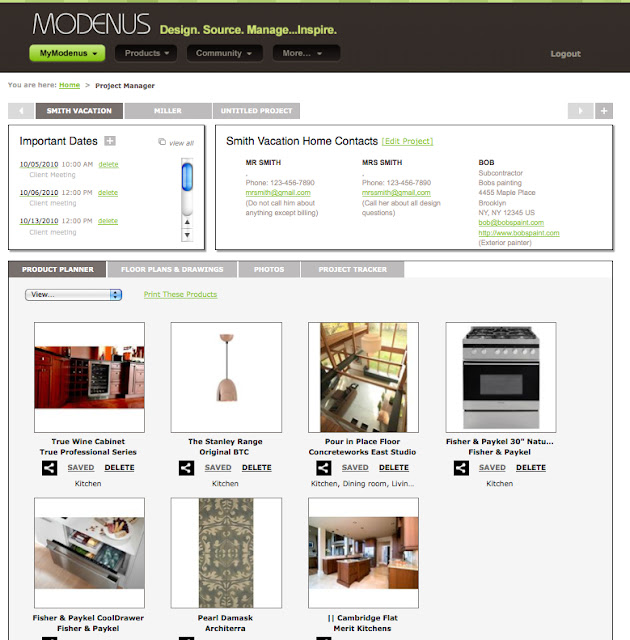

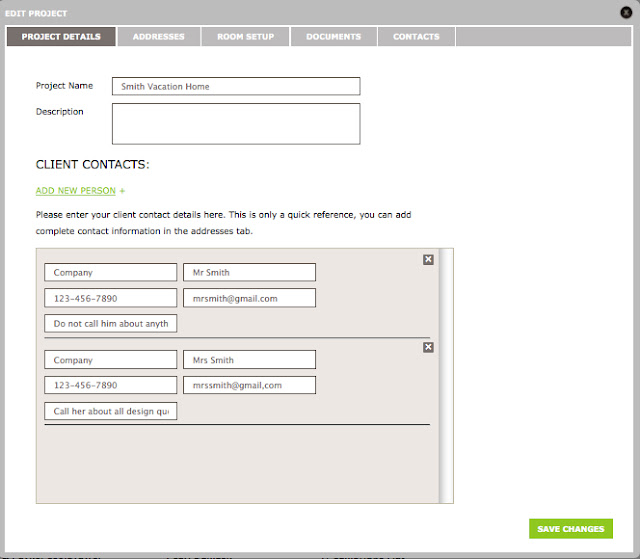


Keep checking Modenus.com to see for the debut the next set of new, very exciting features.

When to Hire an Accountant

One of the most common questions that freelancers ask is “how big does my business have to be before I need to hire an accountant” Many freelancers start their business on a shoestring budget. For many, a simple spreadsheet is their only accounting tool because that is all that they can really afford at first. For the freelancer who understands basic accounting and bookkeeping principles, a spreadsheet may actually be sufficient — at least initially. For the freelancer who has no background in accounting and no interest in learning, however, handling the accounting side of the business with nothing more than a spreadsheet can be frustrating.

Hiring an Accountant

The question of when (or if) a freelance business should hire an accounting professional can vary depending on each individual freelancer’s needs and skills. Here are two quick answers that might help. It is generally time to hire an accountant if:

1.Your business is large enough that you can no longer keep up by yourself

2.You’re having trouble correctly handling all of your accounting

With the increasing number of excellent invoicing and project management solutions available on the web, it’s possible for some people to handle a lot of clients and still maintain their own accounting. That is, if you have enough tax knowledge to pull it off correctly. On the other hand, if your freelance business has a complicated structure or requires more than the basic accounting systems, then it’s possible that you could significantly benefit from the help of a professional Let’s look at some of the advantages (and disadvantages) of hiring an accounting professional for your freelancing business.

Advantages of Hiring an Accounting Professional

There are some definite advantages to hiring an accounting professional to take care of your freelance business accounting needs. Having an accountant handle your finances can: Ensure that your bookkeeping is set up the right way, legally and practically Make things easier for you when your taxes are due Help you discover potential problems Provide a second set of eyes to eliminate math mistakes Reduce your tax bill by making you aware of all the deductions and credits that may be available to you as a self-employed person Give you pertinent advice customized to your specific situation Free up your time so that you can focus on tasks that are more central to the core of your business With all of these benefits to be had from hiring accountant, you may wonder: why doesn’t every single freelancer already use an accounting professional?


Disadvantages of Hiring an Accounting Professional

The biggest disadvantage to hiring an accountant for many freelancers is cost. Depending on the complexity of your needs and your geographic location, hiring an accountant can range from costing hundreds of dollars to costing thousands of dollars. For that reason, many part-time freelancers and those who are just getting started may have trouble affording an accountant. If it appears that the accountant’s fee will cost more than your freelancing business earns in a month, hiring an accountant to help with your bookkeeping and taxes may be out of your financial reach. You will have to look for another method of meeting your accounting needs.

A Word About Automated Accounting Programs

For many freelancers, an automated accounting and/or tax software program provides the happy medium between hiring an accounting professional and doing your books yourself on a spreadsheet. A few popular accounting programs designed to meet the needs of the small business professional include:

  • Microsoft Office Accounting Professional
  • MYOB Premier Accounting
  • Peachtree by Sage Accounting
  • QuickBooks

If you decide to use an accounting software package, make sure to read and follow the instructions carefully. Many software packages offer a free trial period, which can be a good way of finding out how much use you will actually get from the package.

There are a few disadvantages to software accounting programs:

  • They generally cannot provide the unique analysis of your business that an accounting professional would. (Although some packages provide analytical tools that come close. You may also be able to turn to a software support forum or help desk for help with some specific questions.)
  • They may not provide someone to accompany you to court (or to an IRS hearing) if you have legal or tax problems relating to your freelance business.
  • Depending on the accounting software that you select, you may need to purchase a separate software package to do your taxes.

How Do You Handle Your Accounting Needs?

What have you found to be most effective for handling your accounting needs? Do you hire an accountant, do your books (and taxes) yourself, or do you use a software package? Share what you’ve found to be most effective in the comments.


By Laura Spencer
Image by Daniel Sroga

 
About the author: Laura Spencer is a freelance writer from North Central Texas with over 19 years of professional business writing experience. If you liked this post, then you may also enjoy Laura’s blog about her freelance writing experiences, WritingThoughts

Types of Accounting: An Overview For Designers


Accounting is used for quantitative information of finances. But what is the accounting process and what's best for your design practice? Read on to find out.


Nor every company has an accounts department that looks after the accounting details of the company but accounting is important. An accounting department is the backbone of every business. It records all the business transactions and keeps a track of the incomes and expenses of the business. The business depends on these incomes for its profits and should know all the expenses that are incurred to keep it going. They also determine the correct financial position and financial standing of the business. All this makes the recording of transactions important. For the systematic and accurate recording of the transactions, accounting is important. For accurate accounting of transactions, an accounting process is essential. Let us understand the accounting process in detail.


The accountant should know the accounting process well so that there is no confusion in recording the transactions. Following the correct accounting process is mandatory as per accounting ethics and it also helps to understand and communicate the financial operations of your design firm. The following paragraphs are devoted to complete understanding of the accounting process.


Accounting Process Definition

The purpose of accounting is recording all the transactions honestly and accurately in the books of accounts. The accounting process is the method followed by the accountants to record the transactions. The accounting process can be defined as "the process that begins when the transaction takes place and ends when the transaction is recorded in the books of accounts". It is a series of procedures that are used to analyze and record the business transactions for a particular period of time.


The Accounting Process

The accounting process, also known as the accounting cycle process, includes the below mentioned steps. In order to follow these steps, you will need to know all the accounting principles and concepts well.

•The first step involves identifying the transaction and finding the source documents of the transaction.

•Analyze which accounts is the transaction affecting and what is the amount of the transaction.

•Record the entry into the journal as a credit or debit, according to its nature.

•Transfer the journal entries into the appropriate accounts in the ledger.

•A trial balance is then created which sees to it that the debit amount equals the credit amounts.

•Correct the discrepancies in the trail balance and balance the debit side with the credit side.

•Make adjusting entries in order to record the accrued and deferred amounts.

•Next, prepare the adjusted trial balance on the basis of the deferred amounts.

•Prepare the financial statements like the income statements, the balance sheet, retained earnings statements and finally the cash flow statements.

•Close the temporary accounts like revenues, expenses, gains, etc. by closing journal entries. These accounts are transferred to the income summary account and later posted into the capital accounts.

•Prepare the final trial balance on the basis of the closing journal entries.

There can be a slight alteration to the above accounting process flow. The financial statements can be made before the adjusting entries. Also, some companies add another step after the final trial balance. This step is called as reversing entries step. Reversing entries is done if an accrual or deferral entry was recorded earlier and needs to be adjusted to avoid a double entry. It is recorded on the first day of a new recording period. All the accountants follow the same accounting process sequence, except for the reversing entries. That is an optional step which may or may not be followed.


By Deeptee A